PLAY VIDEO

Follow us in   <TWITTER       FACEBOOK       INSTAGRAM    
DISCOVER
LA CASA DE LOS BALCONES
Login to get the app in your smartphone
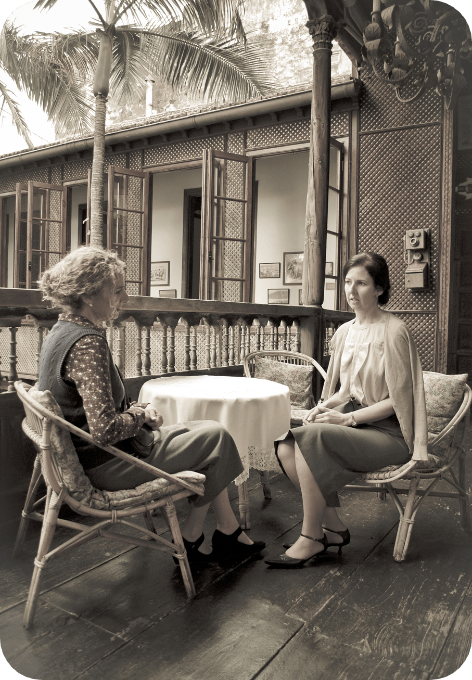
HISTORY
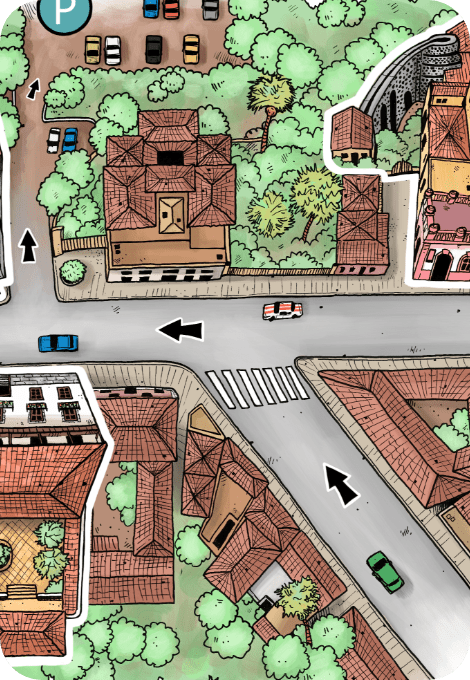
MAPS
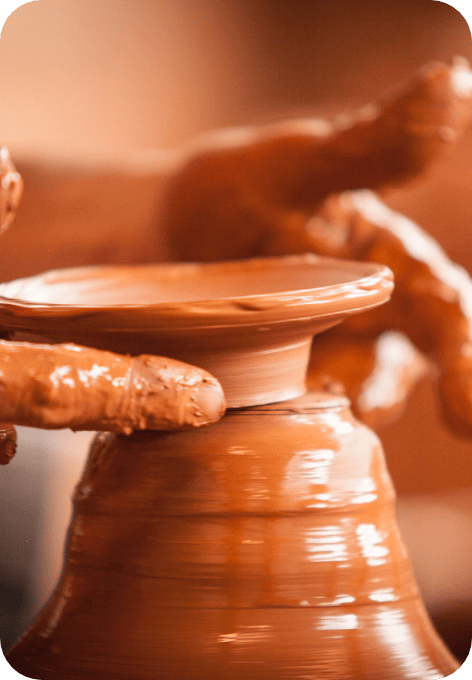
WHAT TO DO
PRODUCTS

WHAT TO DO
LA CASA DE LOS BALCONES

What's your language: ENGLISH       DEUTSCH       ESPAÑOL      

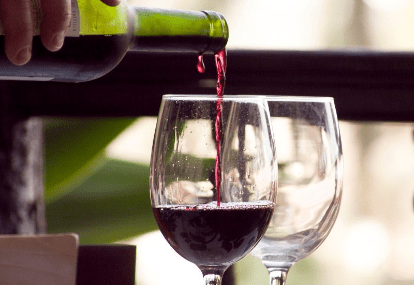
COMER EN GASTROLERCARO
De las manos de Moisés Trujillo, nace el restaurante GastroLercaro. Si te gusta la cocina canaria, en nuestro restaurante podrás probar los platos más típicos de la gastronomía de la isla como las papas arrugadas con mojo, bacalao encebollado y un sinfín de platos.
BACK TO MAIN SCREEN
MAPA
LA CASA DE LOS BALCONES
Login to get the app in your smartphone

What's your language: ENGLISH       DEUTSCH       ESPAÑOL      

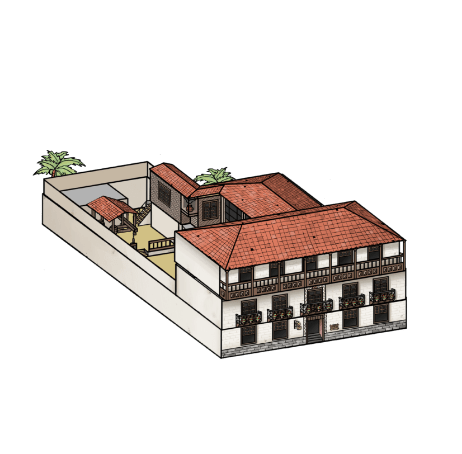
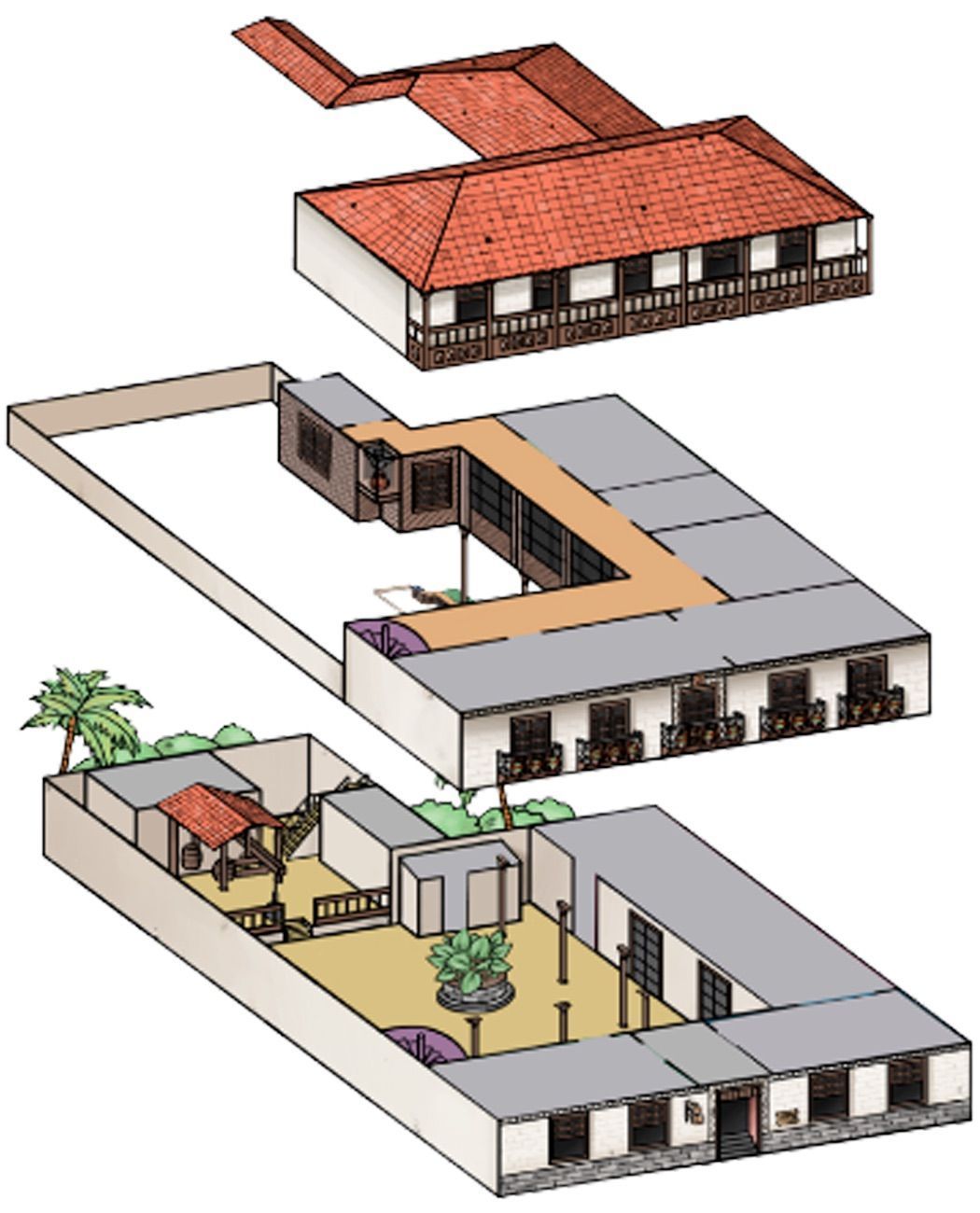
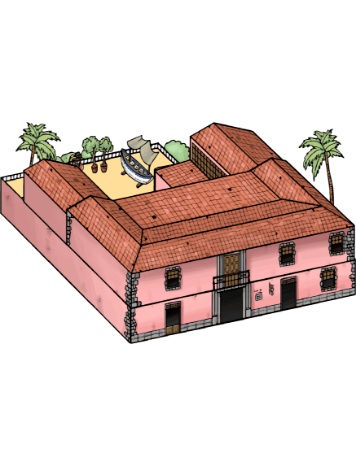
Hello! Welcome to the Historic Complex of La Casa de Los Balcones! What a joy to see you here. Discover what is in each of our houses and enjoy the experience of being in such an emblematic site of Tenerife.
Click on the house you want so you can see what you will find.
Casa de los Balcones
Museo
Casa Eladia Machado
Artesania
Palacio Lercaro
Gastronomia
Parking gratuito
HEY MUCHACHITO! WHAT DO YOU TOLD ME?

CASA DE LOS BALCONES

MUSEO

Casa de los Balcones
Museo
Casa Eladia Machado
Artesania
Palacio Lercaro
Gastronomia
Parking gratuito
HEY MUCHACHITO! WHAT DO YOU TOLD ME?

CASA ELADIA MACHADO

ARTESANÍA

Casa de los Balcones
Museo
Casa Eladia Machado
Artesania
Palacio Lercaro
Gastronomia
Parking gratuito
HEY MUCHACHITO! WHAT DO YOU TOLD ME?

PALACIO LERCARO

GASTRONOMÍA

Casa de los Balcones
Museo
Casa Eladia Machado
Artesania
Palacio Lercaro
Gastronomia
Parking gratuito
HEY MUCHACHITO! WHAT DO YOU TOLD ME?
BACK TO MAIN SCREEN
PRODUCTS
LA CASA DE LOS BALCONES

What's your language: ENGLISH       DEUTSCH       ESPAÑOL      

PRODUCTS
BACK TO MAIN SCREEN
PRODUCTS
LA CASA DE LOS BALCONES

What's your language: ENGLISH       DEUTSCH       ESPAÑOL      

PRODUCTS
7,00 €
CART
BACK TO MAIN SCREEN
Cantidad 0 objetos
Envío 0 €
Total 0 €
HELLO,
NOMBRE APELLIDO
My profile
My cart
I love this!
STORE
BACK
Address

Editar
Siguiente
Address
Recovery
Check in
Perfil
WELCOME
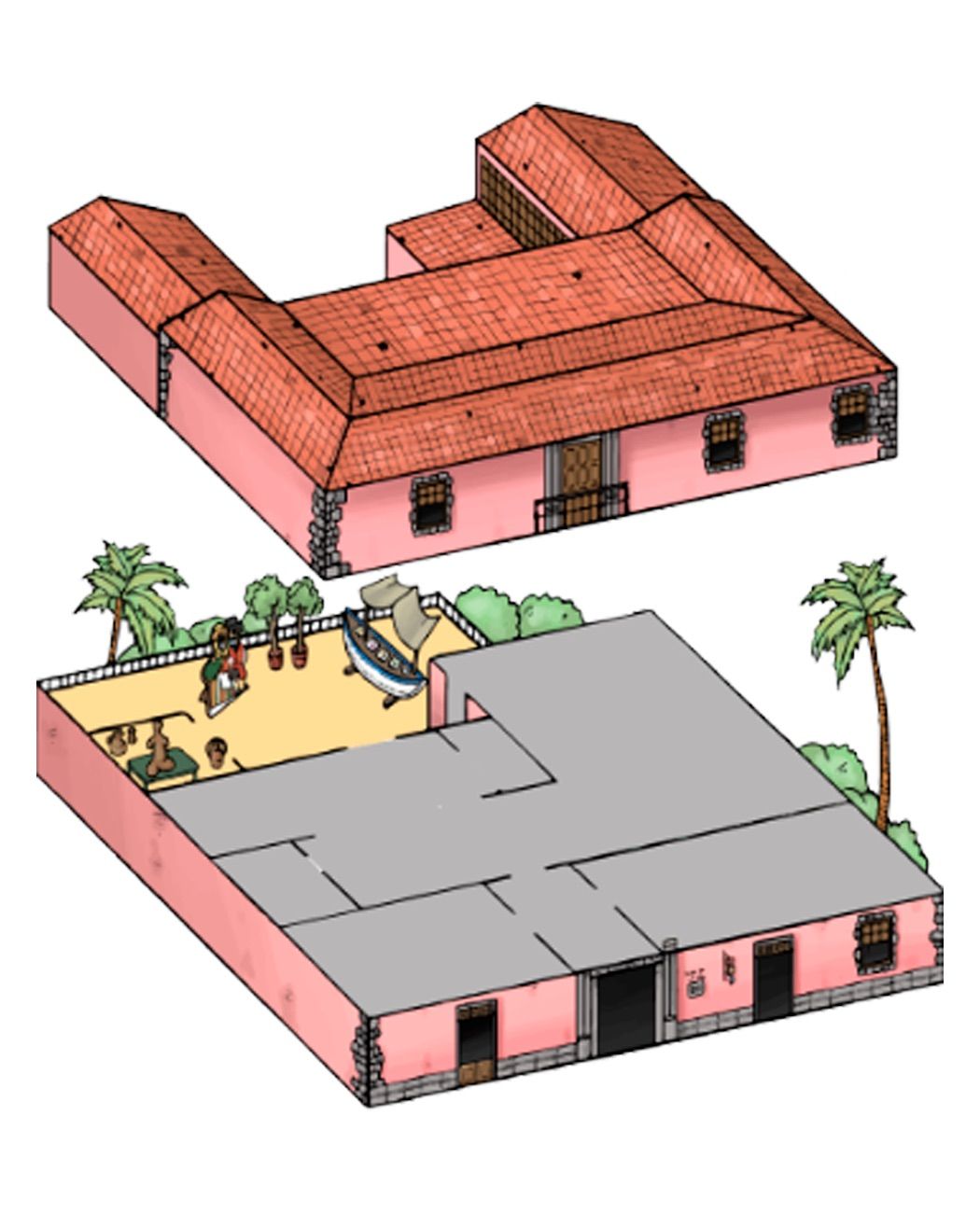
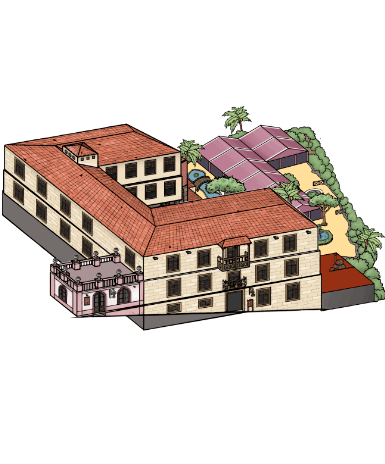
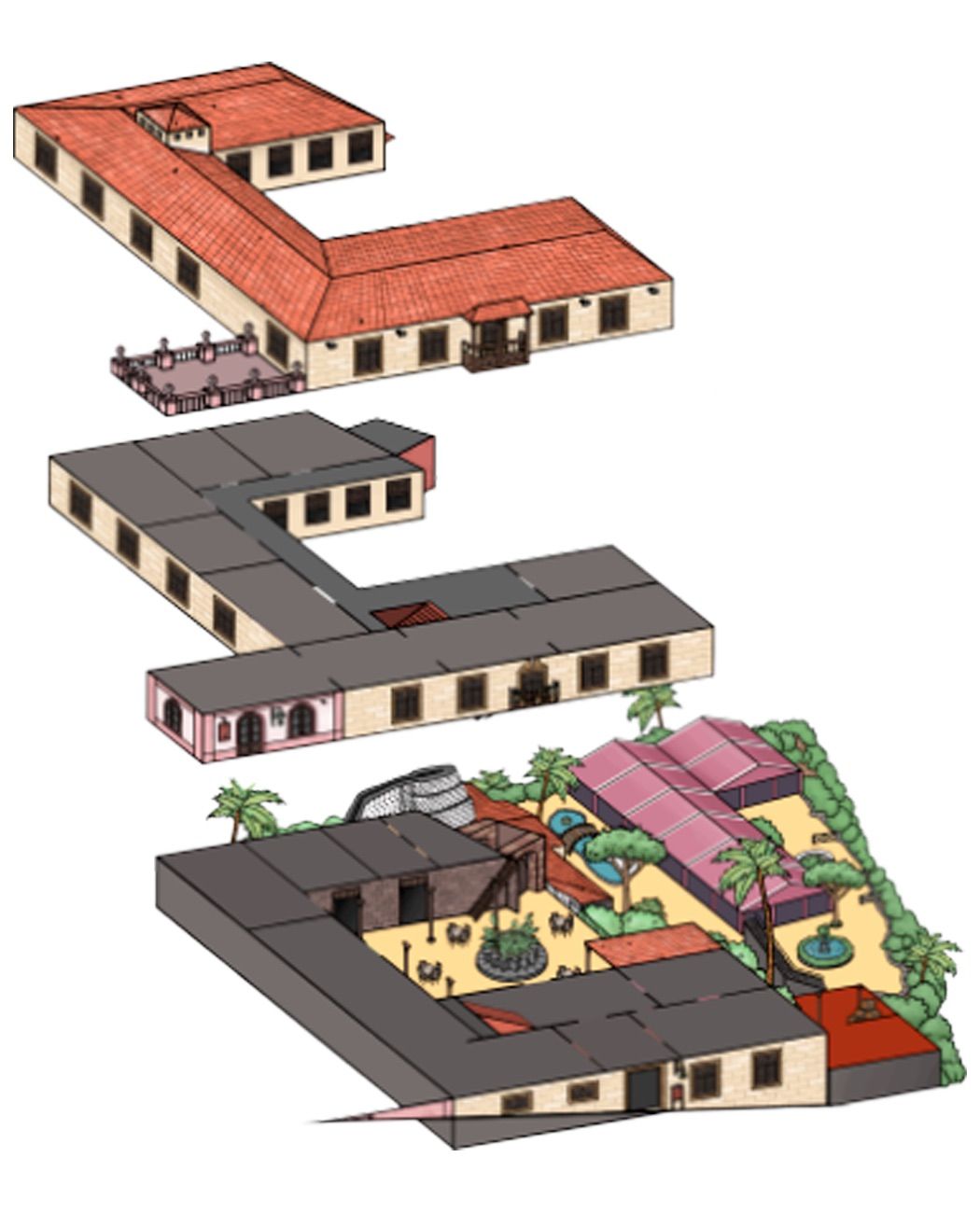
During your visit, you can check the various functions that it fulfills: Thus, the building is an architectural jewel of wood of great historical value, adorned with large balconies and a beautiful garden. Because of its content, it is an ethnological museum where you can relive the ways of life of the past of Tenerife and, due to its activity, it is a workshop and school workshop of Canarian handicrafts, as well as a shop where you can buy all kinds of souvenirs made in The artisan workshop itself. His tourist interest began several decades ago, being currently the Casa de los Balcones the oldest non-hotel tourism company in Tenerife. In the following points we will analyze in detail each of these functional aspects and their dependencies.
Follow us in   TWITTER       FACEBOOK       INSTAGRAM    

WE´LL SEND YOU A LINK TO DOWNLOAD THE APP

Aceptar
BACK
NEXT
THE ENTRANCE
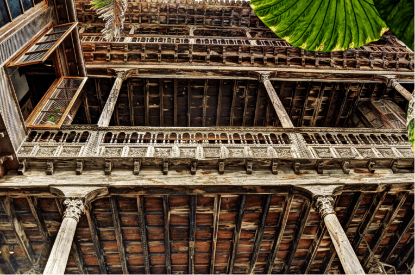
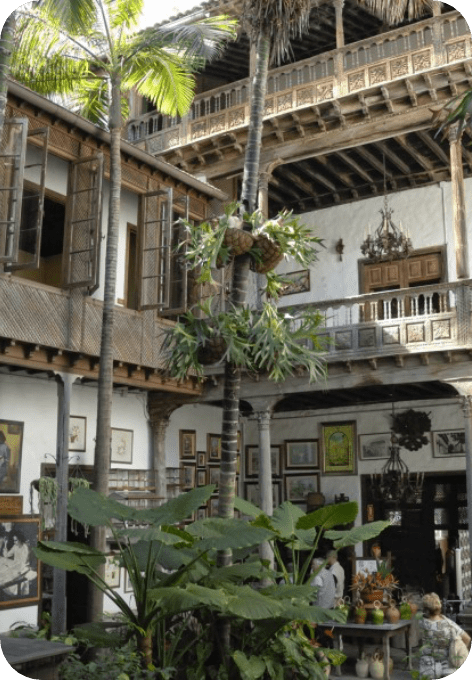
The entrance to this building is made through a typical Canarian patio, which gives access to its different rooms. The visitor feels welcomed in this refreshing space adorned with lush native vegetation, where a natural freshness wrapped in intense perfumes of tropical vegetation transmits a feeling of relaxing calm. From this patio you can observe, not only, its large balcony, located on the last two floors and the great variety of plant species that populate the patio, but also, the robust structure of wood, tea or Canarian pine, which supports the weight of the building and resting on a set of robust and polished trunks that act as authentic pillars or columns adorned with Corinthian capitals. Also, from this patio, you can observe the splendid work in wood, especially tea, the wood of the Canarian pine, a native species that curiously, is the one that has more capacity to survive forest fires, as a result of having adapted to the high temperatures of the Canary volcanism, over millions of years. Although it is difficult to carve, in this building it was used massively in beams, struts, braces, roofs, fronts, etc., remaining intact over time. The solidity it brings to the building is due to the fact that only the wood of the heart of the logs was used here because it is the toughest and hardest tree. Almost four hundred years have passed and it still oozes resin.
THE HISTORY OF
LA CASA DE LOS BALCONES

What's your language: ENGLISH       DEUTSCH       ESPAÑOL      

BACK
NEXT
BACK
NEXT
BACK
NEXT
BACK
NEXT
BACK
NEXT
BACK
NEXT
BACK
NEXT
BACK
NEXT
BACK
NEXT
BACK
NEXT
BACK
NEXT
BACK TO MAIN SCREEN

Hay disponible una nueva actualización de la App
Casa de los Balcones .

Actualiza tu App a la versión más reciente desde la Google Play Store.